A Giraffe Watercolor Design for Warm, Handmade Projects
The First Look: Gentle Style with Practical Potential
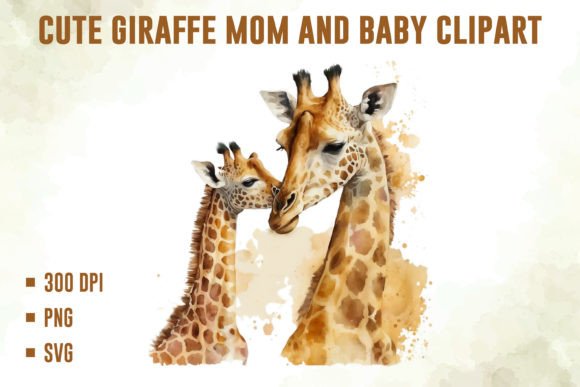
When you first open the Giraffe and Baby Watercolor Clipart, you immediately notice its mood. It's soft, affectionate, and carries a gentle story. This isn't a sharp, graphic logo; it's an illustration that feels like a storybook moment. The organic, painterly edges and the subtle blending of tones in the design give it a distinct handmade personality, even before it’s stitched. For embroidery designers looking for something beyond geometric patterns or bold typography, this design offers a different kind of appeal. It feels personal. It feels like a gift.
The layout is balanced. The two giraffes, parent and child, are composed in a way that creates a focal point without being overly complex. The detail level is thoughtful: it has enough character to be recognizable and charming, but the lines aren't so thin or the elements so tiny that they’d disappear or become a nightmare on certain fabrics. This is crucial. As someone who has ruined a project by choosing a design with impossibly fine details for a textured fabric, I appreciate that this watercolor illustration seems to have a built-in robustness. It’s a graphic, but it’s drawn with an eye for practical application.
Where This Design Shines in Real Embroidery Work
Let’s talk about a real scenario. Imagine you’re preparing a custom embroidered baby blanket or a cozy sweatshirt for a baby shower gift. You want something that conveys warmth and connection. This Giraffe and Baby Watercolor Clipart is an obvious contender. The theme is inherently sweet and family-oriented, making it perfect for personalized gifts, nursery decor, or even boutique baby apparel.
Its performance on actual items is worth thinking through. On a tote bag or a pillow cover, the watercolor style would translate beautifully into embroidery. The soft color transitions can be approximated with thoughtful thread color choices—using slightly variegated threads or blending similar shades in the fill stitch areas could really mimic that painterly effect. On a tea towel or an apron, it becomes a charming, decorative accent that elevates a simple household item into a special piece.
For commercial embroidery projects, like a line of products for a small shop or Etsy listings, this design adds value. It’s not a generic stock image; it has a specific visual personality that can help build brand consistency for a craft business focused on gentle, nature-inspired, or family-themed goods. Used on a cap or a patch, it retains its clarity because the main shapes are solid. For apparel decorators, this means the design will remain recognizable even on curved surfaces like caps, where distortion can sometimes occur.
A Note on Presentation and Customer Reaction
How customers react to a finished product is everything. A design like this, when stitched well, enhances the handmade presentation. It feels intentional and artistic, which builds customer trust and engagement. It’s giftable. Someone receiving an embroidered sweatshirt or a personalized kitchen towel with this motif isn’t just getting a logo; they’re getting a little piece of art. That boosts the perceived value of your work and supports a professional, thoughtful brand image.
Careful Application: Knowing Its Limits
While the design is robust, there are always places to proceed with caution. The watercolor effect, with its soft edges and blended looks, might struggle on very dark fabrics if the provided file is a single-color outline. You’d need to ensure your thread color choices have enough contrast against the background. Always test on scrap fabric first.
Small hoop sizes could be a challenge if you’re trying to cram the entire design into a very small area. The two figures need a certain amount of space to breathe and maintain their detail. I wouldn’t recommend trying to stitch this tiny on a delicate, thin fabric like a silk scarf; the stitch density needed to recreate the fills might pucker the material. Similarly, on very stretchy fabric, using the proper stabilizer is non-negotiable to keep those smooth shapes intact.
It’s also wise to inspect the small details in your embroidery software. Are the lines defining the giraffes' features clear and separated enough for a clean running stitch or satin stitch? The design you receive includes an SVG and a PNG file, which gives you flexibility, but always check the actual paths and lines in your machine embroidery software before loading it into the hoop. This is a fundamental step for any embroidery file.
Practical Designer Notes Before You Stitch
Here’s my real-life advice before you commit this design to a client project or your own merchandise.
- Scrap Fabric is Your Best Friend: Stitch it out on a piece of similar fabric to your final product. Check for clarity, thread coverage, and any potential issues with stitch density.
- Color Contrast Matters: Play with thread colors. Does the design work on both light and dark backgrounds? Create black and white mockups in your design software to see the pure shape without color influence.
- Hoop Size and Stabilizer: Match your hoop size to the project. For a larger item like a blanket or tote, a bigger hoop will give you the best results. Never skip the stabilizer, especially for apparel or textured fabrics.
- Product Endurance: Think about the product’s life. If it’s a baby item or kitchen towel that will need frequent washing, ensure your stitching is secure and your thread choices are durable.
- The Commercial Question: The product is categorized under Illustrations and Graphics. Before selling finished items or digital products using this clipart, always confirm the licensing terms. It’s a basic but critical step for any craft business or digital product seller.
The Final Impression: A Design Built for Connection
In the end, the Giraffe and Baby Watercolor Clipart isn’t just another file. It’s a design asset with emotional weight. It creates a mood of tenderness and connection, which is exactly what many handmade products strive to deliver. For embroidery projects targeting gifts, family themes, or boutique shops with a warm aesthetic, this design is a strong, practical choice. Its illustrated style translates well into the tactile world of embroidery, offering makers a way to create products that feel both professional and profoundly personal. Just remember the practical steps: test, plan, and stitch with intention. Then, watch how a simple graphic becomes a cherished finished product.