An Editor’s Review of Watercolor Pug Dog Graphics
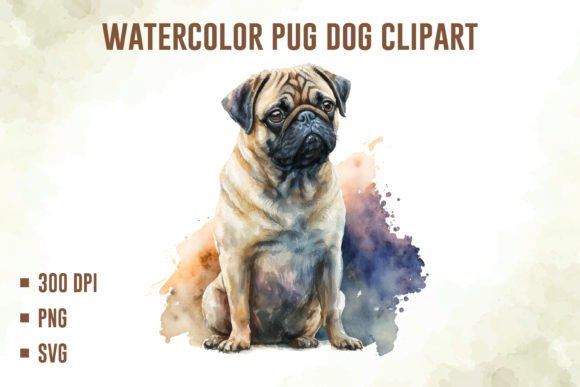
As a blog designer and digital publisher, my first task with any new graphic asset is to gauge its editorial mood. Opening the Watercolor Pug Dog clipart files, the immediate impression is one of warm, playful charm. The soft watercolor strokes and the friendly, seated posture of the dog illustration create an inviting, lifestyle-focused aesthetic. It feels artistic and decorative, yet clean enough for modern web use. This isn’t a generic stock photo; it’s a design asset with personality that can instantly make content feel more approachable and polished.
The Editorial Mood: Where This Illustration Naturally Fits
This particular watercolor illustration naturally supports content niches centered around pets, lifestyle, home, family, crafts, and lighthearted education. Its style leans playful and slightly feminine, making it ideal for blogs, newsletters, or digital products that want to convey warmth and creativity. When a reader lands on a page featuring this graphic, the subconscious message is one of friendliness and quality. For affiliate marketers in pet product spaces or small business owners in craft industries, this asset can build immediate visual trust and brand identity.
Real Publishing Uses: From Blog Posts to Lead Magnets
In a real publishing workflow, this clipart becomes incredibly versatile. I imagine immediately using it for a blog post featured image about pet care tips. The SVG and PNG files allow me to scale it perfectly for a website header or article thumbnail. For Pinterest, a pin combining this illustration with bold text creates a clickable graphic that stands out in a crowded feed. It’s perfect for newsletter banners announcing a new pet-friendly recipe series or as a decorative accent in a digital guide about dog training.
Beyond blogs, this asset shines in downloadable resources. It can elevate the cover of a printable activity sheet for kids, add a branded touch to a media kit for a pet blogger, or serve as a consistent visual marker for a category page on a lifestyle website. For online educators creating courses, it could be a welcoming element on an eBook cover or within a Canva template for student worksheets. In affiliate marketing content, using such a professional-looking graphic on a product review page makes the entire recommendation feel more credible.
How This Asset Supports Content Performance
Visual communication is about performance. This watercolor pug dog clipart, when used strategically, contributes directly to better metrics. A stronger first impression reduces bounce rates. A clearer visual hierarchy—using the illustration as a focal point—guides the reader’s eye. On social media, such a unique graphic improves click-through potential versus a plain text post. For a growing website, it aids in building more consistent branding; using the same style of illustration across blog graphics, social media posts, and downloadable printables creates a cohesive visual identity that readers remember. Ultimately, it makes content pages look professionally designed, which is paramount for reader trust and category recognition.
Optimal Placement: Hero Images to Social Previews
This design asset works best in prominent, visual-first applications. Use it as a hero image at the top of a key article. Make it the central element of a Pinterest pin graphic. Let it serve as a friendly blog graphic beside an introduction. It’s excellent as an editorial accent in the sidebar or footer of a pet lifestyle site. For content upgrades, it’s perfect on the cover image of a lead magnet like a “Pug Care Checklist” PDF. It can define category visuals on a website and add charm to newsletter headers. For social media previews, especially on platforms like Instagram or Facebook, it creates an instantly engaging post.
Considerations for Careful Use
While versatile, some contexts require caution. In very small mobile thumbnails, the details of the watercolor might become lost. Avoid placing it on text-heavy blog images where it could compete with readability. Using it on low-contrast backgrounds might dilute its impact. It may feel out of place in busy layouts or overly serious, corporate content niches like financial reports or legal websites. For brands with a very minimal, stark visual system, this decorative asset might need to be adapted or used sparingly as an accent rather than a primary element.
Practical Publisher Notes Before You Hit Publish
Before integrating this watercolor illustration into any live project, run these practical tests. Preview it on both desktop and mobile screens to ensure scaling works. Check how it looks as a tiny thumbnail—does it still communicate its essence? Drop it into a real blog layout mockup. Test it with your headline text: try it beside a serif font for a classic blog, a sans-serif for modern design, or a script font for extra whimsy. Assess contrast and readability. For a quick accessibility check, see how it translates in black and white. Review the file size; the SVG is great for scalability, but always compress PNGs properly for web performance. Finally, a crucial step: always confirm the commercial licensing terms before using it on monetized websites, affiliate pages, or paid digital products. A clear license is the foundation of professional commercial design.
Final Thoughts on a Polished Content Toolkit
The Watercolor Pug Dog clipart is more than just a cute picture. It’s a strategic graphic design asset that, when applied with editorial intent, elevates the entire presentation of your content. For bloggers, publishers, and creative entrepreneurs, these small touches—a well-chosen illustration, a cohesive visual theme—compound over time to build a brand that feels trustworthy, clickable, and polished. This particular digital download, with its friendly watercolor style, offers a simple yet effective way to inject that quality into your next blog graphics, website header, or digital guide, making your publishing work not only more beautiful but more effective.