Dyrad - Nymph Watercolor: A Practical Design Review
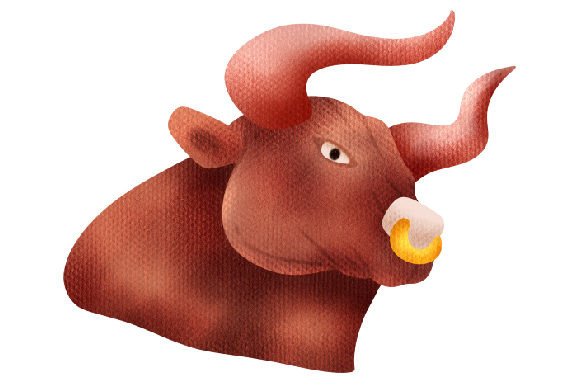
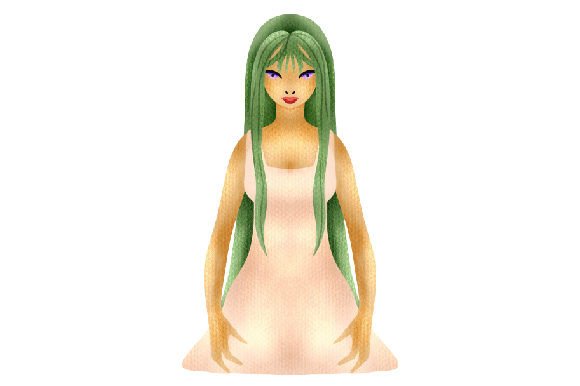
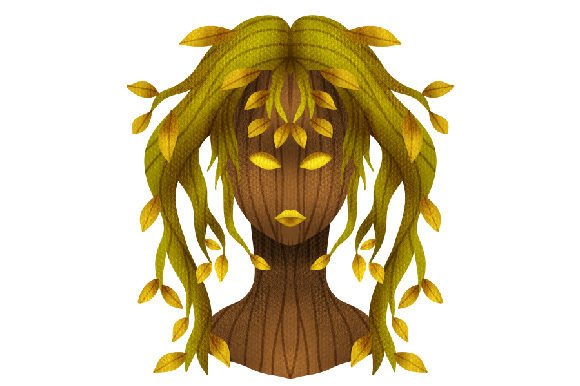
When you first open the Dyrad - Nymph Watercolor embroidery file, you immediately understand its name. It’s not a rigid, graphic illustration; it has the soft, flowing, almost ethereal quality of a watercolor painting. The mood it creates is gentle, mythical, and slightly dreamlike. This isn’t a bold, statement logo. It’s a decorative piece that whispers a story. For us designers thinking about real projects, that visual personality tells us a lot about where it belongs.
The Natural Habitat for This Mythical Design
Let’s talk about where this nymph feels most at home. The watercolor style, with its soft edges and organic flow, lends itself beautifully to items where you want to evoke a sense of whimsy, tranquility, or personal magic. I picture it perfectly on a linen pillow cover in a cozy reading nook, or as a singular, elegant motif on the corner of a high-quality tea towel for a boutique kitchen line. It feels inherently giftable—think of it embroidered on a blanket for a nursery themed around fairy tales, or as a personalized touch on a canvas tote bag meant as a special wedding or birthday gift.
For small business owners and Etsy sellers, this design is a prime candidate for products where the handmade presentation is key. Its artistic style elevates a simple item. A basic sweatshirt becomes a boutique sweatshirt. A standard apron feels like a unique artisan apron. The crafts and fairy tales category connection here is natural and valuable—it taps into a beloved aesthetic without being overly childish. It’s sophisticated enough for adult decor but magical enough for a child’s special keepsake.
Considering Stitching Clarity and Visual Impact
Moving from the preview to the actual hoop, practical considerations start. The watercolor effect implies gradients and soft blends. In machine embroidery, this is achieved through careful stitch density and fill stitch patterns. My first recommendation is always: test this design on scrap fabric first. Use a fabric similar to your final project—whether that’s cotton for a tote, fleece for a baby blanket, or a knit for a sweatshirt. Observe how the design translates from the digital file into physical stitches. Check the thread color contrast against your background. Does the delicate detail hold its clarity?
This design’s appeal hinges on that clarity. On light fabrics, the nymph’s form will shine. On dark fabrics, you’ll need to be strategic with thread choices to ensure the lighter, watercolor areas don’t get lost. Creating a simple black and white mockup, or viewing the file on both light and dark digital backgrounds, can help you visualize this before you even load a thread.
Where to Exercise a Bit More Caution
Every design has its optimal applications and its trickier ones. The Dyrad - Nymph Watercolor, with its likely intricate details and flowing lines, might present challenges on very small hoop sizes. Those fine details need space to breathe. If you’re considering a tiny version for a cap or a small patch, you need to inspect the file closely at that reduced scale—will the beautiful watercolor texture simplify into a clean, recognizable shape, or could it become a muddy cluster of stitches?
Similarly, textured fabrics or very stretchy materials require extra attention. A proper stabilizer is non-optional here to preserve those soft edges. For products destined for frequent washing, like kitchen towels or baby clothes, a dense fill stitch area in the design should be checked for durability. You want the beauty to last, which builds customer trust and product value.
The Commercial Perspective: From File to Finished Product
For the creative entrepreneurs and apparel decorators reading this, the Dyrad - Nymph Watercolor is a versatile digital embroidery file. The provided formats—SVG, PNG, EPS, DXF—are excellent for flexibility, allowing use in various software and for creating printable mockups to market your finished product. This is a strong design asset.
Its commercial use, however, comes with a standard but crucial note: always confirm the licensing terms before selling finished items or incorporating the design into your small shop merchandise. Does it allow for commercial use? Are there limits? This is a fundamental step for professionalism and brand consistency.
In a real-life scenario, imagine you’re preparing for a craft fair with a line of embroidered canvas tote bags. You choose this nymph design for its unique, artistic feel. It stands out from more generic patterns. A customer’s engagement is different—they aren’t just buying a bag; they’re buying a piece of art. That’s the power of a design with this personality. It increases the perceived value of your handmade product.
Final Practical Notes for Your Project
Before you commit this design to your final fabric, run through this quick mental checklist:
- Have you tested it on a comparable scrap fabric with your chosen thread palette?
- Is your hoop size appropriate for the detail level? Smaller sizes may require simplification.
- Have you selected a stabilizer suited to your base fabric (stretchy, thin, textured)?
- For dark fabrics, have you previewed the contrast or chosen slightly brighter threads to maintain the watercolor effect?
- If selling, is your licensing clear and confirmed?
- Does the design’s mood align with your product’s purpose—is it a serene pillow, a whimsical gift, or a boutique apparel item?
The Dyrad - Nymph Watercolor is a design that asks for a thoughtful approach, but rewards it with a truly distinctive finished product. It won’t be the right fit for every bold, graphic application, but for projects where atmosphere, artistry, and a touch of gentle myth are the goals, it provides a beautiful and practical path from digital file to embroidered reality.