Review: Raccoon Sniffing Kitchen Cabinets Design
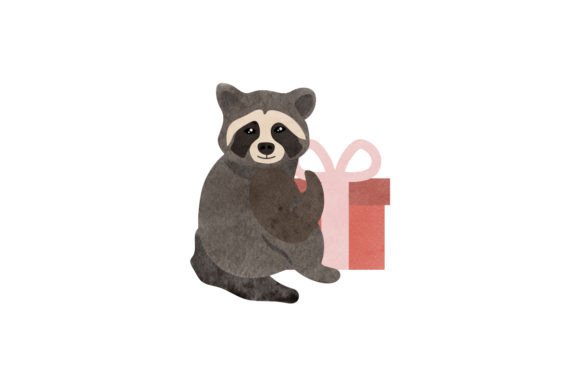
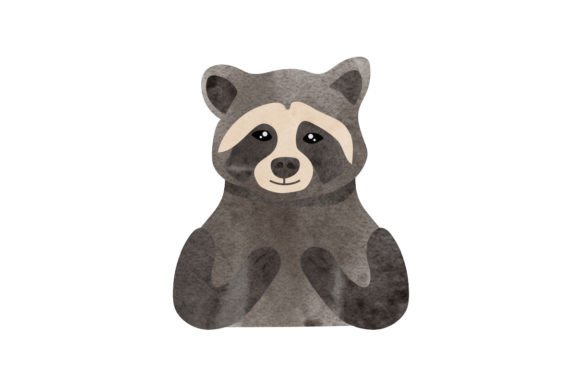
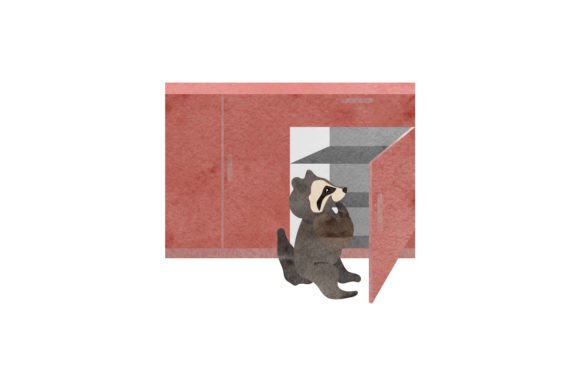
As someone who stitches for clients and my own small shop, I look at an embroidery file not just as an image, but as a potential finished product. When I opened Raccoon Sniffing Cabinets in Kitchen - Watercolor, my first thought wasn’t about the file formats, but about the story it tells. This isn’t a generic animal silhouette; it’s a scene. The raccoon’s curious posture, the soft watercolor style, and the kitchen cabinet detail create an immediate mood of playful, cozy domesticity. It feels nostalgic and slightly mischievous, perfect for projects that aim to convey personality rather than just decoration.
The Perfect Project for a Character-Driven Design
I recently needed a gift for a friend who loves both cooking and whimsical wildlife. A standard floral apron felt too impersonal. This design, however, clicked immediately. Imagining it stitched onto a crisp linen apron, the raccoon peeking from a lower corner, it created a narrative. That’s the strength of this embroidery design: it’s a character in a setting. It naturally belongs on items that are used in a home or that celebrate a homemade lifestyle—think kitchen towels, apron bibs, pillow covers for a cozy reading nook, or even the front pocket of a relaxed-fit sweatshirt.
For small business owners and Etsy sellers, this is a design that can elevate a simple product. A plain cotton tote bag becomes a unique, storytelling accessory. As a baby gift, stitched onto a blanket or a nursery wall hanging, it adds a gentle, storybook charm without being overly cartoonish. The watercolor aesthetic gives it a soft, handmade presentation that customers associate with care and quality, which directly supports perceived product value and brand consistency for creative entrepreneurs.
Where This Design Excels in Commercial Use
In practical embroidery situations, the Raccoon Sniffing Cabinets in Kitchen - Watercolor file offers good versatility. The transparent PNG and vector formats (SVG, EPS, DXF) are excellent for creating printable mockups for your online listings or integrating into other digital product assets. For physical stitching, the design’s layout—with the raccoon as the clear focal point and the cabinets as a supportive backdrop—means it maintains clarity even when scaled.
On medium to larger hoop sizes, intended for apparel like sweatshirts or tote bags, the watercolor shading should translate well into fill stitches, creating a lovely textured look. I’d avoid very small hoop sizes, as the finer cabinet details and the expression in the raccoon’s posture could lose definition. This isn’t a dense, blocky logo; it’s an illustration. It thrives on surfaces where it can be appreciated as a whole scene.
Considerations for Stitching Success
While the design is charming, its successful application depends on thoughtful execution. The watercolor style implies areas of lighter stitch density and potential blending of thread colors. On dark fabric backgrounds, you’ll need to carefully review your thread color choices to ensure the raccoon’s gray tones and the cabinet details don’t get lost. A test run on scrap fabric is essential—not just for color, but to see how the design’s detail level reads after stitching. Check how the cabinet handles and the raccoon’s whiskers translate; they may require a precise running stitch or a fine satin stitch outline.
Stretchy or thin fabrics, like lightweight t-shirts, could pose a challenge if the design has areas of high stitch density. Using a proper stabilizer is non-negotiable here. Similarly, on curved surfaces like caps, the rectangular shape of the cabinet element might need slight adjustment in placement to look natural. For products destined for frequent washing, like kitchen towels or baby clothes, ensure your stitch structure is secure and your threads are colorfast to maintain that handmade appeal over time.
Building Customer Trust Through a Well-Chosen Design
Choosing a design like this for your craft business or client work isn’t just about aesthetics; it’s about engagement. A customer seeing this on a handmade pillow cover understands the thought behind it—it’s not a random selection. It speaks to a specific taste and sense of humor, which builds a stronger connection than a generic motif. For personalized gifts, it’s a fantastic choice for someone with a known love for animals, cooking, or just quirky art. Its recognizability as a complete scene enhances its giftability.
From a professional standpoint, using a design with this level of thematic integrity makes your work look curated and intentional. It avoids the feel of a clip-art library and instead presents your embroidery service or product line as having a discerning eye. This directly affects buyer engagement in your Etsy listings or craft fair booth—people stop for something that tells a little story.
Practical Notes for the Embroidery Designer
Before committing this to a final project, my routine advice applies. Always test the embroidery file on the actual fabric type you plan to use. Pay special attention to the contrast between the raccoon and the cabinet elements in your test; in a watercolor design, edges can be soft, and you want to ensure the composition remains distinct. Create black and white mockups to check the form independently of color. Confirm the licensing terms for this design if you’re planning commercial embroidery projects or selling the finished products; the provided formats suggest digital asset use, but clear permissions are the foundation of a professional operation.
Think about your thread palette. The watercolor style invites a slightly blended, non-solid look. You might experiment with variegated threads or carefully chosen tonal gradients to achieve that painterly effect. For a cleaner, more graphic result, solid colors will work, but they may alter the intended watercolor mood. Finally, consider the product’s end-use. An embroidered patch using this design would be delightful, but ensure the overall size is large enough to preserve the illustrative details for the patch to be readable.
In summary, Raccoon Sniffing Cabinets in Kitchen - Watercolor is a design that offers more than just stitches; it offers a vibe. It’s a practical choice for makers aiming to create products with character, for decorators seeking to personalize gifts with a narrative touch, and for small shop owners looking to stock items that feel thoughtfully designed. Its success lies in pairing it with the right project and preparing your stitch setup to honor its illustrative details. When done well, it turns a simple embroidered item into a conversation piece.