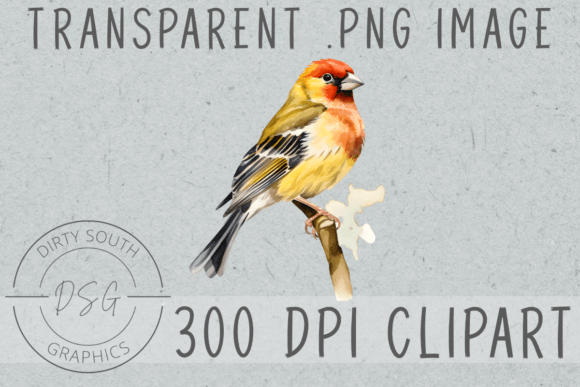
The Subtle Charm of a Watercolor Finch Embroidery Design
When you find a design like the Watercolor Finch Bird, the first thing that strikes you isn’t its technical specs—it’s its mood. This isn’t a hard-edged, geometric graphic. It’s soft, artistic, and carries a gentle, almost nostalgic personality. The watercolor style implies a blend of colors and soft transitions, which, when translated into embroidery, creates a project with a handmade, painterly feel. It feels destined for items where warmth and artistry are the priority.
Where This Finch Flies: Perfect Project Pairings
I immediately picture this design on a linen tote bag for a boutique, or delicately stitched onto a cotton baby blanket as a nursery gift. Its theme is universal—nature, beauty, delicacy—making it incredibly versatile for small business merchandise. Imagine a client requesting a personalized wedding gift like an embroidered pillow cover; this finch would add that special, timeless touch without being overly literal.
For Etsy sellers and craft fair products, this graphic translates beautifully into custom apparel. A well-placed finch on the chest of a sweatshirt or the corner of a tea towel elevates a simple item into something with story and charm. In digital product previews and printable mockups, its transparent background and high resolution mean it can be showcased cleanly against various fabrics, helping customers visualize the final embroidered product.
The Practical Stitch: Considerations Before Hooping
This is a PNG image, not a vector file, so its suitability for machine embroidery depends entirely on how it’s converted into an embroidery file. The watercolor effect, with its soft color blends, presents a fascinating challenge. In embroidery, those blends become decisions about thread colors and stitch density. You’ll need to interpret those gentle washes of color into distinct satin stitch areas or perhaps clever use of fill stitch textures to mimic the painterly look.
Always, always test the design on scrap fabric first. Use the same material you plan for the final project. Pay close attention to the smaller details, like the finch’s beak or delicate feet. On textured fabrics like some linens, or on stretchy fabric like for t-shirts, fine details can get lost or distort. A good stabilizer is non-negotiable here.
Navigating Potential Tricky Spots
While the design is lovely, some applications require extra thought. On dark fabric, the lighter, watercolor tones will need careful thread selection for enough contrast—a black-and-white mockup check is invaluable here. For small hoop sizes, the overall design might scale down well, but those subtle color transitions could become too dense or muddy if minimized too much.
I’d be cautious using it on highly curved surfaces like caps unless the converted embroidery file is expertly adapted for such a shape. Similarly, for items destined for frequent washing, like kitchen aprons, consider simplifying any extremely dense stitch areas to ensure longevity. The goal is to preserve that watercolor essence while making it robust for real-life use.
How This Design Elevates Your Work
Using a design with this much inherent artistry does more than decorate a product; it enhances product value and customer trust. It signals that you, as a maker, care about aesthetic detail and emotional impact. For a craft business, it contributes to brand consistency if your niche is soft, nature-inspired goods. Its giftability is high—it feels special without being overly personal, allowing the recipient to imbue it with their own meaning.
In a commercial setting, for apparel decorators or digital product sellers, offering this as part of your portfolio attracts clients looking for that specific, handcrafted look. It engages buyers by feeling different from the mass of sharp, digital graphics. The finished stitch, if executed thoughtfully, will have a handmade presentation that stands out in a marketplace often flooded with identical styles.
A Designer’s Final Notes Before the First Stitch
My process with any new design like this is methodical. First, I assess the provided graphic—here it’s a high-resolution PNG, which gives a good foundation for digitization. I then think about thread color contrast, often pulling physical threads next to my screen to preview. I confirm the intended hoop size and fabric combination. Crucially, I check the licensing terms of the original graphic to ensure my use, whether for personal projects or commercial embroidery for my small shop product line, is fully covered. Never assume.
The Watercolor Finch Bird isn’t just a graphic; it’s a starting point for a beautiful, tactile object. Its success lies in your translation from pixel to stitch. Approach it as an artistic interpretation, not just a technical transfer. When you do, you’ll create embroidered patches, baby embroidery, holiday embroidery, and boutique branding items that carry a quiet, confident beauty—the kind that makes a customer pause, smile, and reach for their wallet.