City Scape Embroidery: The Watercolor Charm of New Delhi
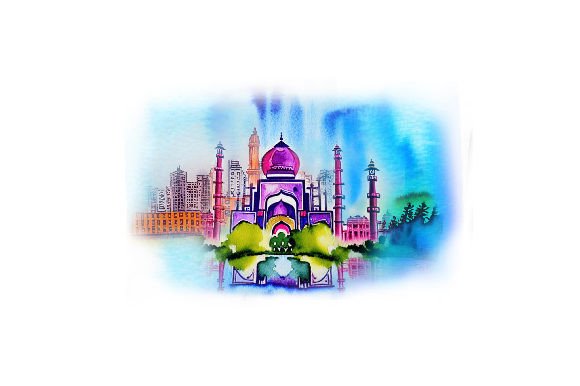
Let’s talk about that moment when you open a new embroidery file and instantly know whether it’s destined for client work or a personal project. This “City Scape of New Delhi India - Watercolor” design lands squarely in the former—it’s a sophisticated, atmospheric piece with immediate commercial appeal. My first impression was of a soft, nostalgic mood. It doesn’t scream tourism; it whispers a sense of place. The layout feels balanced, with those distinctive architectural shapes creating a recognizable silhouette without being overly detailed. The watercolor aesthetic, with its implied soft edges and gradients, is perfect for embroidery—it translates beautifully into stitch, suggesting depth without demanding impossible detail.
Where This Design Finds Its Natural Home
I’m picturing this on a high-quality tote bag or a linen pillow cover for a boutique. It has that giftable, artistic quality. For a small business owner, this isn’t just a craft; it’s a design asset. Imagine it embroidered on an organic cotton sweatshirt—it elevates the product from generic to gallery-like. The travel theme connects emotionally, making it ideal for personalized gifts for someone with ties to Delhi, or as a tasteful piece of nursery decor for a family celebrating heritage. It’s equally compelling as a standalone patch, which could be applied to a cap or a jacket, offering flexibility for an Etsy seller or apparel decorator.
The Real-World Stitching Scenario: A Custom Tote Bag Project
Here’s a practical walkthrough. I’m considering this for a custom embroidered tote for a client who wants a unique, artistic bag. The watercolor style means stitch density will be key—you want a smooth fill stitch in the larger areas to mimic that painted look, but without making the fabric too stiff. On a tote bag, which can be a thicker canvas, that’s manageable. I’d absolutely test it on scrap fabric first, playing with thread color contrast. The design likely has areas of lighter and darker implied shading; choosing threads that subtly shift in hue, rather than starkly contrast, will enhance the watercolor effect. A good stabilizer is non-negotiable here to keep those clean lines.
Handling the Design with Practical Care
This design’s charm lies in its softness, but that also means you need to be mindful in certain applications. On very small hoop sizes, some of the finer architectural details might lose clarity—this isn’t a micro-design. On textured fabrics like certain knits, the overall image could become less distinct. I’d avoid using it on very thin or highly stretchy fabrics unless you’re exceptionally confident with your stabilizer setup, as the fill areas could pucker.
A particularly important note: dark fabric backgrounds. The transparent PNG provided is a great asset for creating mockups, but in actual stitching, the design’s light, airy feel depends on thread choice. On a dark garment, you’d need to select threads that are bright enough to pop but still harmonize to keep the watercolor mood. Testing in both black and white digital mockups before stitching is a smart step. Also, curved surfaces like caps require careful placement—the panoramic cityscape layout might need to be centered perfectly to look balanced on a rounded crown.
How This Embroidery File Impacts Your Product’s Value
Using a design with this much visual personality directly affects customer trust and engagement. It feels professional and thoughtfully sourced. For a handmade product, it signals that you, the maker, care about aesthetics beyond the basics. It boosts giftability because it’s evocative and specific yet beautifully abstract. For brand consistency, if your shop leans toward artistic, travel-inspired, or culturally mindful goods, this file fits seamlessly. It adds a layer of recognition—clients who see this on a pillow or apparel item will remember the distinctive style, which is gold for a small shop product.
Essential Designer Notes Before You Hoop the Fabric
Before you run this embroidery file for a client order or craft fair product, do your due diligence. While the provided formats—SVG, PNG, EPS, DXF—cover most digital and machine needs, confirm your specific machine compatibility. Check the actual stitch count and density in your software; a dense fill stitch area on a baby item or lightweight tea towel might make the fabric too stiff. Always, always review the licensing terms. Can you use it for commercial embroidery projects? For selling finished items like tote bags or patches? For creating digital product previews or printable mockups for your Etsy listings? Don’t assume.
Inspect the small details in the file. Are there any tiny elements that might turn into a bird’s nest of thread? Plan your thread colors to enhance the watercolor illusion—perhaps blending similar shades for the sky and building areas. Remember, the final product’s appeal hinges on stitching clarity. A crisp, clean stitchout of this design on a simple kitchen towel transforms it into a high-end boutique item, while a messy one undermines the entire artistic intent. This design is a powerful tool for creative entrepreneurs; wield it with preparation and respect for the craft.
In closing, the “City Scape of New Delhi India - Watercolor” is more than a digital embroidery file. It’s a mood, a story, and a fantastic opportunity to create finished products that resonate on an emotional level. Handle its technical aspects with care, and it will repay you with stunning, professional-looking work that clients and customers will genuinely cherish.